
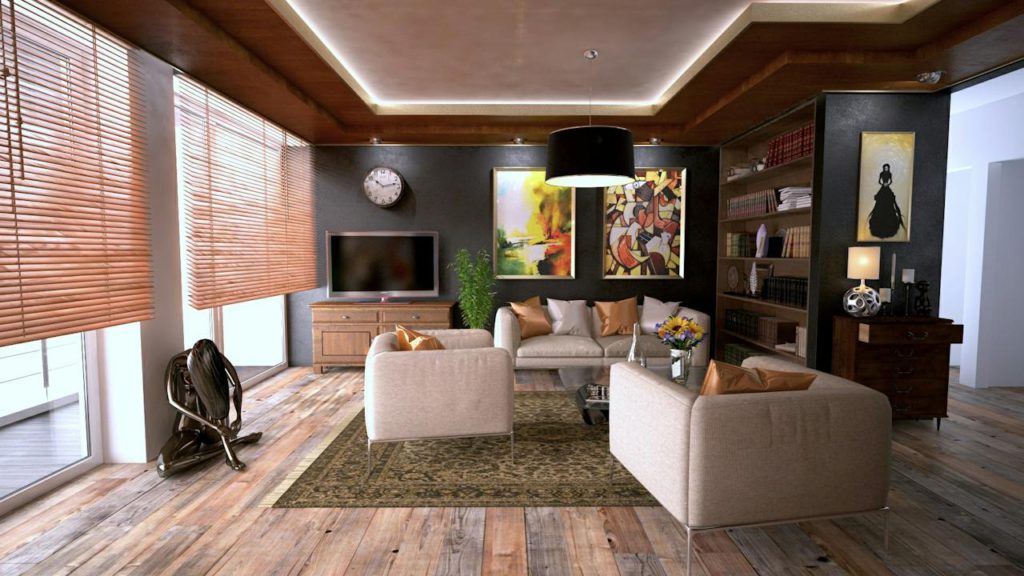
Creating a beautiful and functional space isn’t just about picking the right paint color or buying trendy furniture. Interior design is a thoughtful process that blends creativity, planning, and problem-solving to bring a client’s vision to life. From the first sketch to the final styling touch, interior designers play a pivotal role in transforming ideas into comfortable, livable spaces. For more information check out interior fit out contractor
1. Understanding the Client’s Vision
Every great design begins with a conversation. Designers start by listening: What does the client want to feel in the space? What’s their lifestyle like? What are their aesthetic preferences and functional needs?
Whether it’s a minimalist retreat, a family-friendly home, or a luxurious apartment, this initial discovery phase is key to aligning the design direction with the client’s personal taste and daily life.
2. Creating the Concept
Once the vision is clear, designers begin crafting a concept. This includes:
- Mood boards to establish style and color palette
- Space planning to optimize layout and flow
- Material and finish selections that align with both aesthetics and practicality
This phase is highly collaborative, often involving sketches, digital renderings, and product samples to help the client visualize the space before it comes to life.
3. Detailed Design and Planning
After the concept is approved, the technical work begins. Designers create floor plans, lighting schemes, furniture layouts, and construction drawings. They work closely with architects, contractors, and suppliers to ensure every detail is accounted for—from custom cabinetry dimensions to power outlet placement.
This step ensures that form meets function and that the space is not only beautiful but also highly usable.
4. Sourcing Materials and Furnishings
Interior designers often have access to exclusive vendors, artisans, and trade-only resources. They source:
- Furniture and lighting
- Custom-made pieces
- Textiles, rugs, and window treatments
- Art and accessories
The designer’s eye ensures that everything—from a statement chandelier to a throw pillow—works cohesively within the space.
5. Project Management and Installation
Behind every flawless room is a designer managing timelines, deliveries, and details. Designers coordinate with contractors, supervise installations, and solve unexpected challenges on the spot—whether it’s a delayed shipment or a last-minute layout adjustment.
Their ability to juggle logistics and maintain the creative vision is what turns plans into reality.
6. The Final Touches
Once the major elements are in place, designers add the finishing touches that elevate a space from functional to fabulous:
- Styling bookshelves and coffee tables
- Placing artwork and mirrors
- Layering textures with throws, cushions, and accessories
This stage brings warmth, personality, and cohesion—transforming a house into a home.
Why Hire an Interior Designer?
Designers do more than make things look good—they:
- Save time and avoid costly mistakes
- Maximize the potential of your space
- Create a personalized design that reflects you
- Manage the overwhelming details from start to finish
Conclusion
Interior design is both an art and a science. From concept to comfort, the designer’s role is to bridge imagination and execution, crafting spaces that are not only visually stunning but also deeply livable. Whether it’s one room or an entire home, working with a professional interior designer can turn your ideas into a space that truly feels like you.