
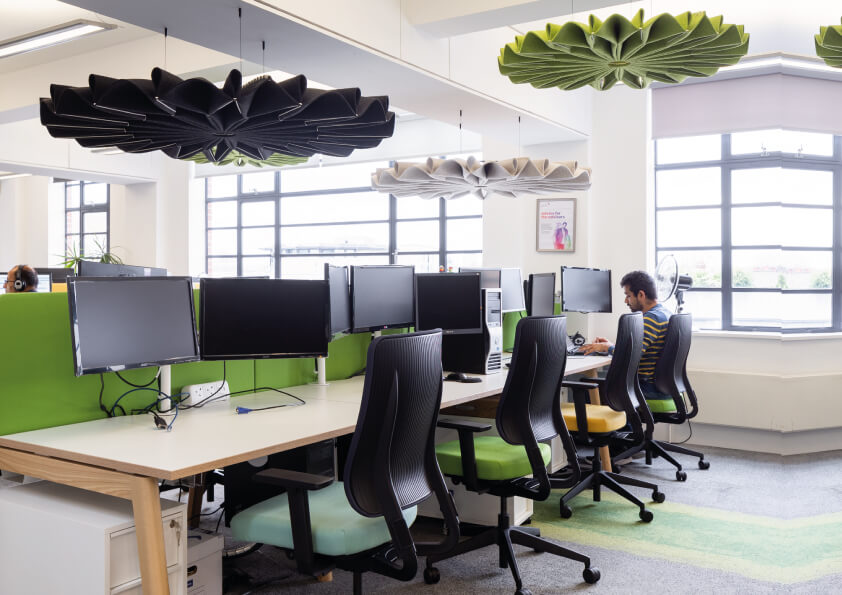
In today’s business environment, efficient office space management significantly impacts productivity, employee satisfaction, and operational expenses. The physical workspace directly affects employee performance and engagement levels. Optimized office space utilization improves workflow, encourages collaboration, and supports innovation.
An organized workspace reduces distractions, increases employee morale, and strengthens organizational culture. Office space efficiency also has substantial financial consequences. Real estate costs constitute a major component of corporate overhead expenses.
By optimizing space usage, companies can reduce their physical footprint, thereby lowering rent and utility costs. This advantage is especially important in high-cost urban markets. Organizations that implement space efficiency strategies can more readily adjust to market changes and expand operations without proportional cost increases. Many businesses even undertake office fitouts Wollongong to redesign their layouts for better space utilization.
Therefore, office space efficiency represents a strategic business priority that contributes to sustained organizational success.
Assessing Current Office Space Utilization
To embark on the journey toward enhanced office space efficiency, organizations must first conduct a thorough assessment of their current utilization. This involves analyzing how each area of the office is being used and identifying any underutilized or overcrowded spaces. Tools such as occupancy sensors and space management software can provide valuable insights into employee movement patterns and space usage over time.
By collecting data on how often different areas are occupied, businesses can pinpoint inefficiencies and make informed decisions about potential changes. In addition to quantitative data, qualitative feedback from employees is equally important. Engaging staff in discussions about their workspace experiences can reveal insights that numbers alone may not capture.
For instance, employees may express that certain areas are too noisy or that they lack sufficient collaborative spaces. By combining hard data with employee input, organizations can develop a comprehensive understanding of their office dynamics. This assessment phase is crucial as it lays the groundwork for implementing effective strategies that will enhance overall space efficiency.
Implementing Space-Saving Furniture and Equipment
One of the most effective ways to improve office space efficiency is through the strategic selection of furniture and equipment. Traditional office setups often involve bulky desks and chairs that consume significant floor space. However, modern design trends emphasize the use of space-saving furniture that maximizes functionality without sacrificing comfort.
For example, height-adjustable desks allow employees to alternate between sitting and standing, promoting better health while also freeing up space when not in use. Additionally, modular furniture systems can be reconfigured to suit various needs, enabling organizations to adapt their layouts as team dynamics change. Collaborative workstations equipped with movable partitions can create flexible environments that encourage teamwork while still providing privacy when needed.
Investing in multifunctional furniture—such as storage ottomans or foldable conference tables—can further enhance space efficiency by serving multiple purposes within a limited area. By carefully selecting furniture that aligns with the organization’s goals and culture, companies can create an environment that supports productivity and collaboration.
Utilizing Vertical Space for Storage and Organization
In many offices, floor space is at a premium, making it essential to look upward for additional storage solutions. Utilizing vertical space effectively can significantly enhance organization while freeing up valuable square footage for other activities. Wall-mounted shelves, pegboards, and tall cabinets can provide ample storage without encroaching on the workspace.
This approach not only declutters the office but also makes it easier for employees to access necessary materials without disrupting their workflow. Incorporating vertical storage solutions also allows for creative organization strategies. For instance, color-coded bins or labeled shelves can help employees quickly locate items, reducing time spent searching for supplies.
Additionally, vertical gardens or living walls can be integrated into office design to improve air quality and aesthetics while utilizing otherwise wasted wall space. By embracing verticality in storage and organization, businesses can create a more efficient and visually appealing workspace that promotes both functionality and well-being.
Creating Multi-Functional Work Areas
The concept of multi-functional work areas has gained traction as organizations seek to maximize their office layouts. These spaces are designed to serve various purposes, accommodating different activities such as meetings, brainstorming sessions, or individual work. For example, a conference room can be equipped with movable furniture that allows it to transform into a casual lounge area for team-building exercises or informal gatherings.
This flexibility not only optimizes space but also fosters a culture of collaboration and creativity. Moreover, incorporating technology into multi-functional areas can enhance their utility. For instance, equipping spaces with video conferencing capabilities allows teams to connect with remote colleagues seamlessly.
Additionally, integrating writable surfaces—such as whiteboards or chalkboards—encourages spontaneous brainstorming sessions and idea sharing among team members. By designing work areas that can adapt to various needs, organizations can create an environment that supports diverse working styles while maximizing the use of available space.
Encouraging Remote Work and Flexible Schedules
The rise of remote work has fundamentally changed how organizations approach office space utilization. By encouraging flexible schedules and remote work options, companies can significantly reduce the number of employees present in the office at any given time. This shift not only alleviates overcrowding but also allows businesses to reconsider their physical footprint altogether.
For instance, companies may opt for smaller office spaces or co-working arrangements that cater to a fluctuating workforce. Furthermore, remote work has been shown to enhance employee satisfaction and productivity. Many individuals find that they are more focused and less stressed when working from home or in flexible environments that suit their personal preferences.
By embracing this trend, organizations can create a more agile workforce while simultaneously optimizing their office space for those who do choose to work on-site. This approach not only reflects modern work culture but also positions companies to attract top talent who value flexibility in their professional lives.
Implementing Digital Document Management Systems
In an increasingly digital world, transitioning from paper-based processes to digital document management systems is essential for improving office space efficiency. Traditional filing cabinets consume significant physical space and often lead to cluttered work environments. By digitizing documents and utilizing cloud-based storage solutions, organizations can drastically reduce their reliance on physical storage while enhancing accessibility and collaboration.
Digital document management systems offer numerous advantages beyond mere space savings. They streamline workflows by allowing employees to quickly search for and retrieve documents from anywhere with an internet connection. Additionally, these systems often include features such as version control and collaborative editing tools that facilitate teamwork across departments or locations.
By implementing a robust digital document management strategy, businesses can not only declutter their physical spaces but also improve operational efficiency and responsiveness. Many organizations also conduct a fresh content audit to ensure their digital assets remain relevant and well-organized.
Regularly Reviewing and Adjusting Office Layout and Design
The dynamic nature of business necessitates regular reviews of office layout and design to ensure continued efficiency and effectiveness. As teams evolve, project requirements change, or new technologies emerge, it is crucial for organizations to remain adaptable in their spatial arrangements. Conducting periodic assessments allows businesses to identify areas for improvement and make necessary adjustments before inefficiencies become entrenched.
Engaging employees in this process is vital; their insights can provide valuable perspectives on what works well and what could be improved within the office environment. Surveys or focus groups can be employed to gather feedback on current layouts and potential changes. Additionally, staying informed about emerging trends in office design—such as biophilic design principles or open-plan layouts—can inspire innovative approaches to workspace optimization.
By committing to regular reviews and adjustments of office layout and design, organizations can create an environment that evolves alongside their workforce’s needs while maximizing efficiency and productivity.